
Making Compost for Your Jharkhand Garden Plot
Shravya Mishra28 October 2026 2 min read
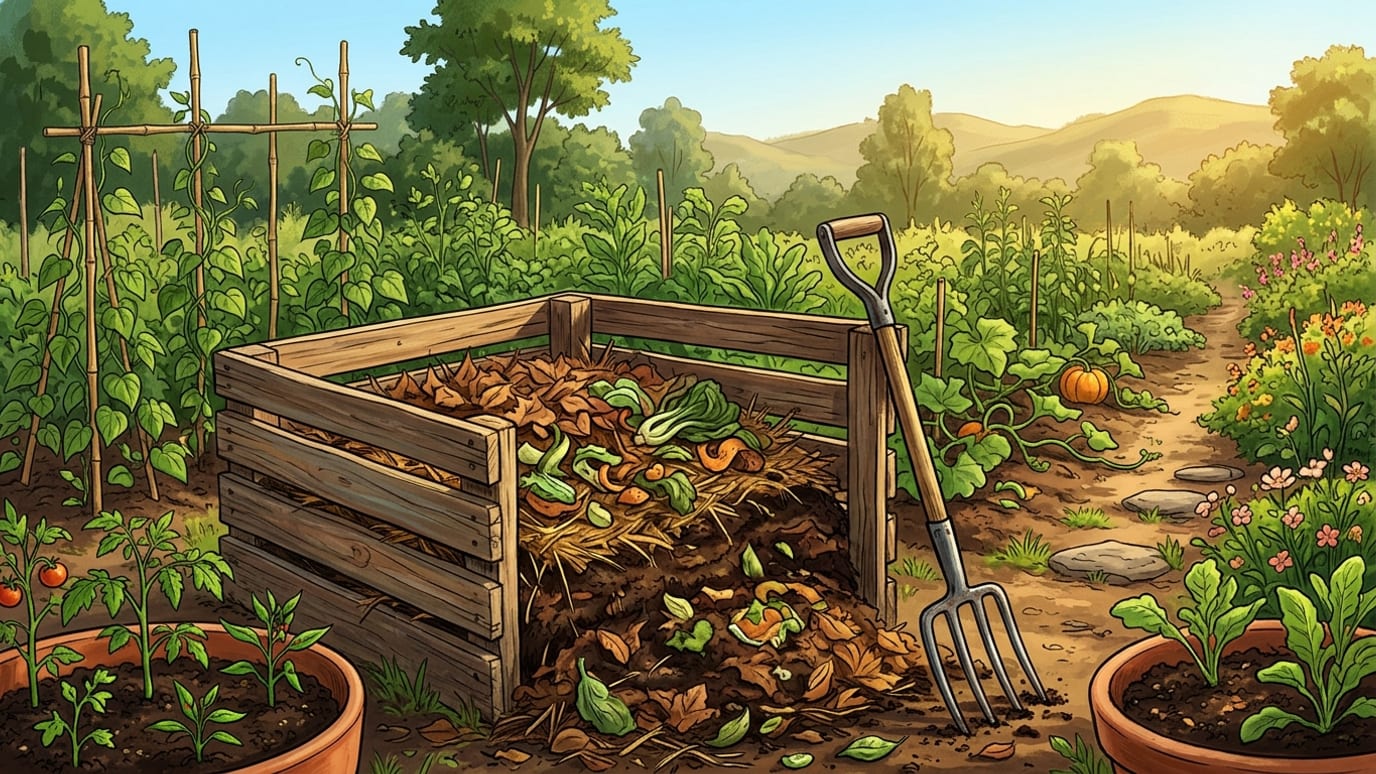
For families near Bokaro and Dhanbad who lease an organic garden plot, understanding the soil is just as important as knowing what to sow. At Shravya Farms, we often talk about how kitchen waste turns into the dark, crumbly compost that keeps our plots thriving through the kharif, rabi, and summer seasons. Making your own compost is a simple rhythm of balancing greens and browns right here in Jharkhand.
Balancing Greens and Browns
Every good compost pile needs a mix of two things: greens and browns. Greens are your nitrogen-rich kitchen scraps like vegetable peels, tea leaves, fruit waste, and leftover sabzi. Browns are carbon-rich materials like dry leaves, small twigs, and shredded cardboard. When you manage a plot with us, or tend a pile at home, keeping this balance stops the heap from getting too wet or smelling bad. Chop your vegetable waste into smaller pieces before adding it so that it breaks down faster in the local heat.
The Role of Air and Turning
Compost does not just sit and rot; it breathes. Inside the pile, tiny soil organisms go to work, and they need oxygen to do their job properly. Every week or two, take a garden fork and turn the pile over completely. Move the materials from the outside to the inside. This turning introduces fresh air, speeds up the decomposition process, and stops compacting. If the pile feels too dry during the hot months, sprinkle a little water over it until it feels like a wrung-out sponge.
From Waste to Garden Soil
Over a few months, your kitchen scraps and dry leaves will transform into a rich, earthy material that looks like dark soil. When you can no longer recognise the original vegetable peels and the heap smells like fresh rain on dry earth, your compost is ready. Spread it across your garden beds to improve soil structure and moisture retention before planting your next batch of palak, methi, or bhindi.
Whether you lease a plot where our team sows and tends the crops for you, or you prefer to visit the farm at Sijhua, near Bokaro, seeing how organic matter returns to the earth is a central part of growing your own food.